Sector explorer
Choose a sector to see what drives its electronics
Each sector below states the constraint that dominates it, the electronic systems involved and the capabilities we apply.
Sector challenge
Industrial Electronics
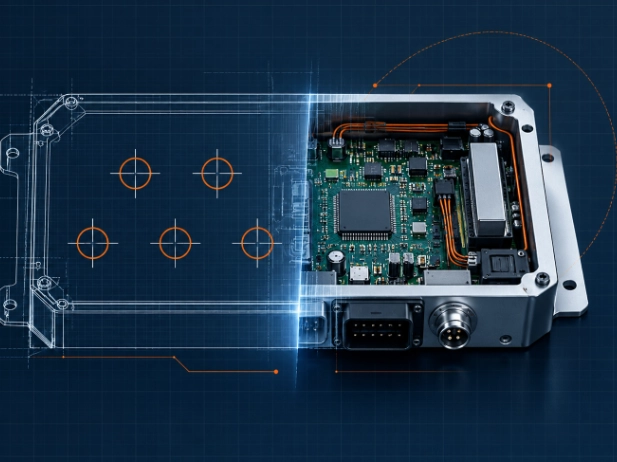
Industrial electronics operate where temperature, vibration, electrical noise and continuous duty cycles are the norm rather than the exception. Designs must remain stable long after the prototype has left the bench.
Electronic systems
Typical applications
- Machine control electronics
- Process monitoring units
- Protection and interlock hardware
- Retrofit control modules
Sector challenge
Industrial Automation
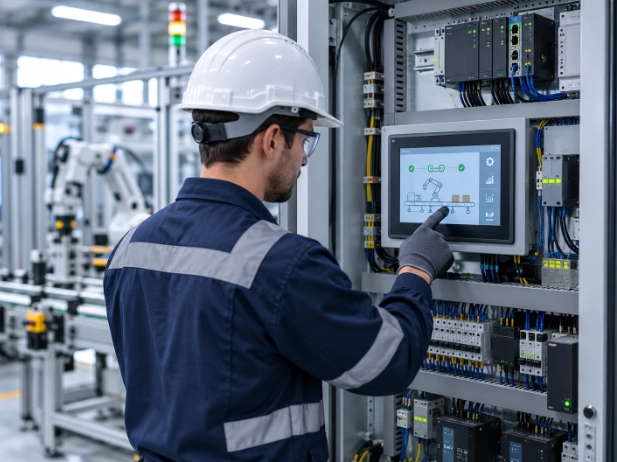
Automation hardware has to coordinate deterministic control with plant-level connectivity. Timing, fault handling and diagnostics matter as much as raw functionality.
Electronic systems
Typical applications
- Machine automation controllers
- Remote I/O modules
- Condition monitoring nodes
- Line data gateways
Sector challenge
Consumer Electronics
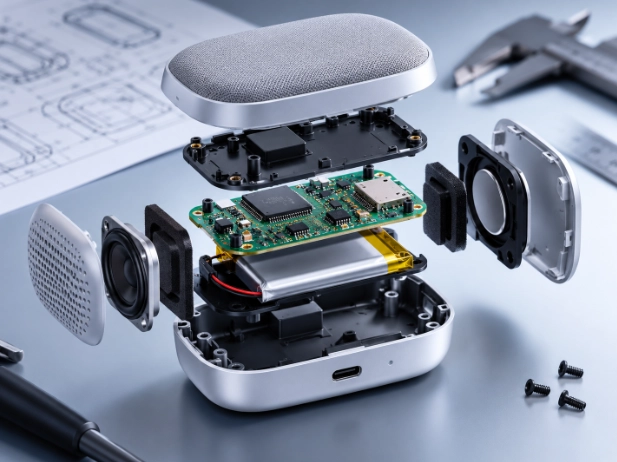
Consumer products compress advanced electronics into small enclosures at tight cost targets, then ask them to feel effortless. Size, power, thermal behaviour and unit cost all pull in different directions.
Electronic systems
Typical applications
- Smart home devices
- Portable connected products
- Wearable electronics
- Audio and interface hardware
Sector challenge
Healthcare Electronics
Healthcare electronics demand measurable, repeatable behaviour and disciplined documentation. Signal accuracy, isolation and traceability are engineering requirements, not finishing touches.
Electronic systems
Typical applications
- Diagnostic instrument electronics
- Patient monitoring hardware
- Laboratory equipment boards
- Connected care devices

Sector challenge
Automotive Electronics
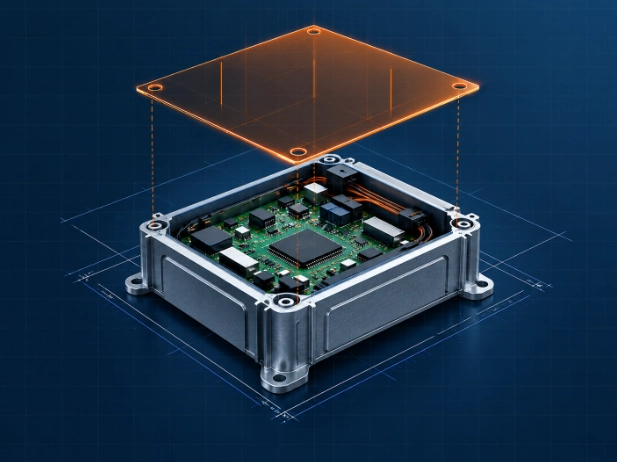
Automotive electronics live with wide temperature ranges, electrical transients, long product lifecycles and unforgiving reliability expectations across every unit built.
Electronic systems
Typical applications
- Vehicle control electronics
- In-vehicle connectivity units
- Sensor interface modules
- Aftermarket electronic systems
Sector challenge
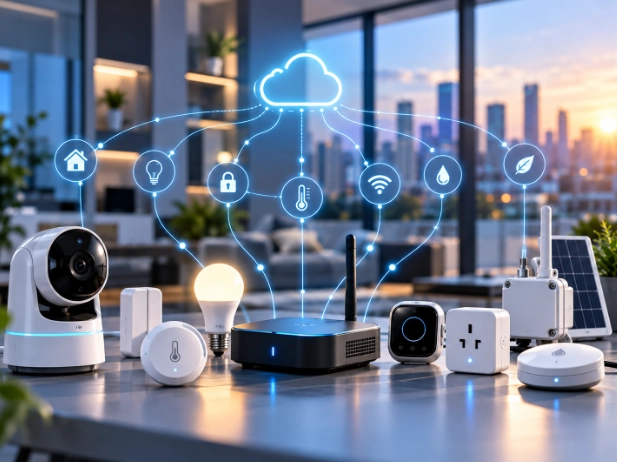
IoT & Smart Devices
Connected products have to behave predictably on unreliable networks, run for long periods on limited power, and remain updatable years after deployment.
Electronic systems
Typical applications
- Asset and environment monitoring
- Smart metering hardware
- Building intelligence devices
- Connected industrial sensors
Capabilities applied
Sector challenge
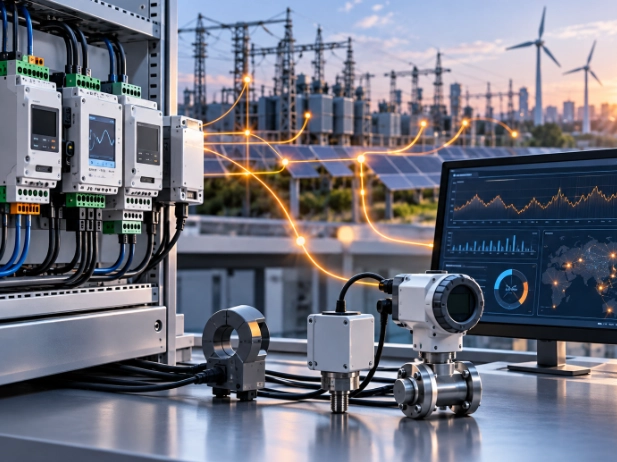
Energy & Utilities
Energy systems combine high-voltage domains with sensitive measurement electronics, then expect uninterrupted operation and accurate data over very long service lives.
Electronic systems
Typical applications
- Energy monitoring hardware
- Grid-edge measurement units
- Renewable system electronics
- Utility data concentrators
Sector challenge
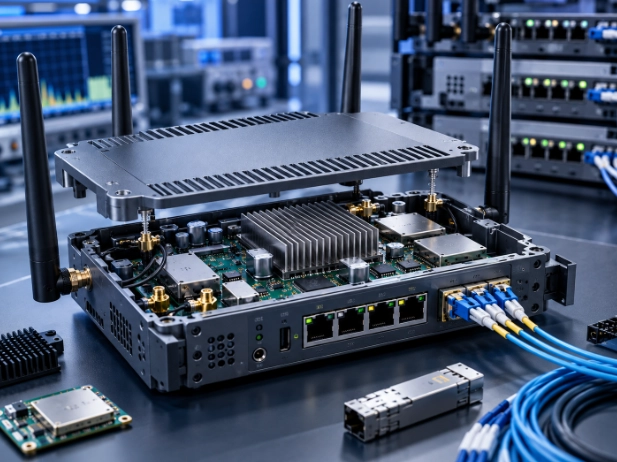
Telecommunications
Communication hardware pushes signal integrity, thermal management and interface density to their limits while remaining serviceable and manufacturable at volume.
Electronic systems
Typical applications
- Customer premises equipment
- Network edge hardware
- Wireless connectivity modules
- Communication gateways
Sector index
Eight fields, one page each
Every sector has its own page setting out the constraint, the systems and the engineering that answers them.
Industrial Electronics
Electronic systems engineered for demanding industrial environments.
Open → 02Industrial Automation
Controllers, sensing and connected automation technologies.
Open → 03Consumer Electronics
Connected products designed for consumer scale and expectations.
Open → 04Healthcare Electronics
Electronics supporting medical and healthcare equipment.
Open → 05Automotive Electronics
Electronic systems and embedded technologies for vehicle applications.
Open → 06IoT & Smart Devices
Connected products, sensors and intelligent electronic devices.
Open → 07Energy & Utilities
Electronic monitoring, control and connected systems for energy infrastructure.
Open → 08Telecommunications
Connectivity, networking and communication hardware.
Open →Constant
What stays the same in every sector
Always true
- Constraints are identified before architecture
- Behaviour is measured, not assumed
- Component lifecycle is reviewed at selection
- Test strategy is designed with the product
Sector-dependent
- Environmental and reliability targets
- Regulatory and standards scope
- Expected service life and update strategy
- Unit cost pressure and production volume
Next step
Tell us what your sector demands
Every sector has one constraint that decides the rest. Tell us yours and we will tell you how it reshapes the electronics.